Marine Thermal Imaging & Infrared Inspection Service for Container Ships, Oil Tankers, LNG & LPG Vessels
Certifications: ITC International Infrared Certification, ISO Management System, Electrical Operation Qualification, Calibrated Test Instruments | 48-Hour On-Site Support at All CHINA Domestic Seaports
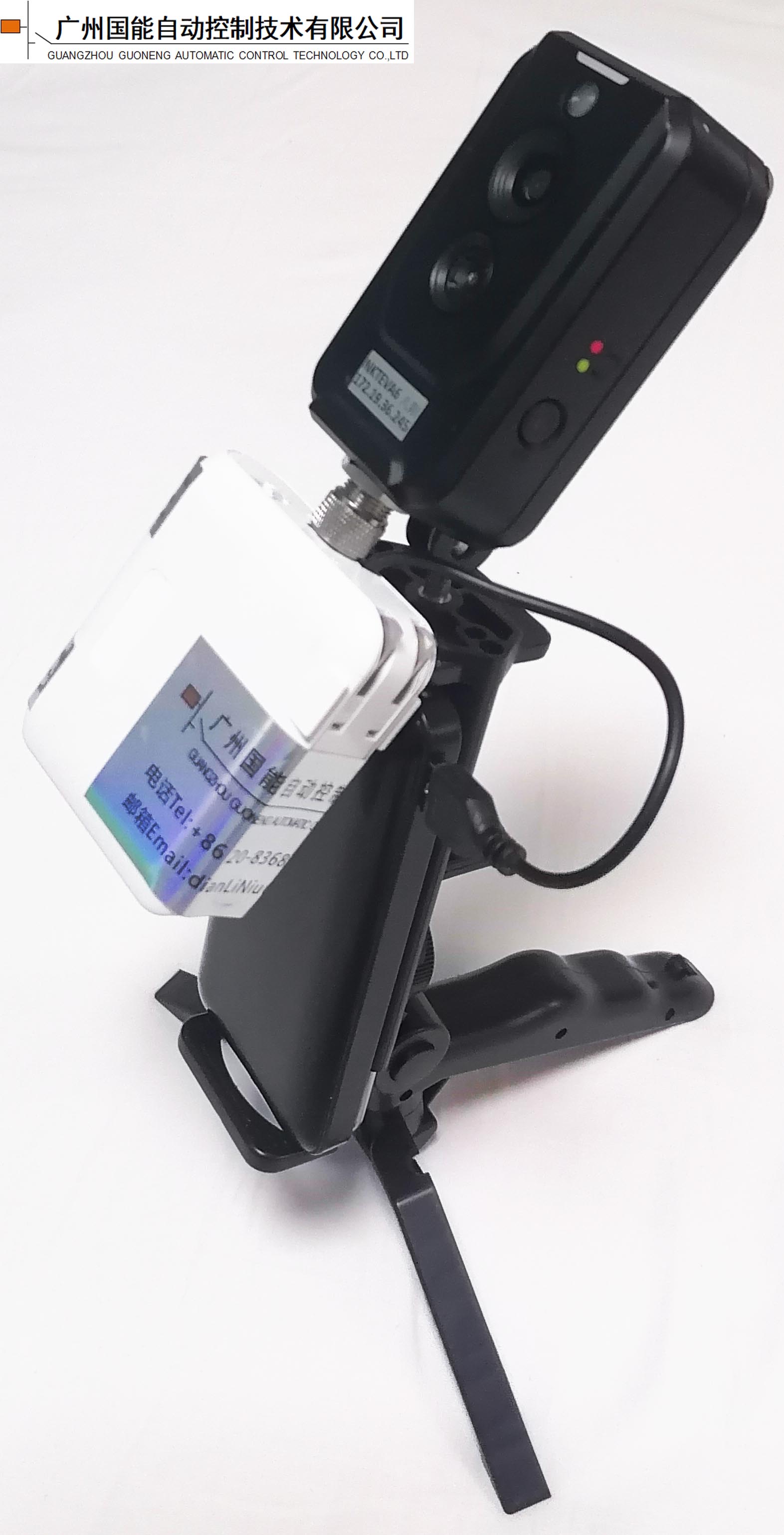
Figure 1: NKTEVA6 portable & fixed thermal camera for onboard vessel non-contact temperature monitoring
1. Industry Service Background
Global shipping capacity of LNG-powered oil tankers, LPG liquid cargo carriers, and refrigerated container ships keeps expanding rapidly. Conventional fuel vessels face fire & explosion hazards, while LNG/LPG ships add extreme low-temperature frostbite risks. Traditional manual patrols suffer from blind inspection zones, delayed fault detection, and limited full-range temperature measurement.
We provide integrated standardized thermal imaging services: MSB Main Switchboard & ESB Emergency Switchboard electrical thermal inspection + LNG/LPG tank & pipeline cryogenic leak detection. The NKTEVA6 distributed thermal array detector delivers non-contact, visualized, wide-range hidden hazard screening, fully adaptable to predictive maintenance for all offshore & coastal marine vessels.
2. Full Coverage of Inspected Vessel Types
2.1 Oil Tanker Classifications
VLCC / ULCC Super Large Crude Carriers: VLCC load capacity below 300,000 DWT (main Middle East-Far East route); ULCC over 300,000 DWT, mostly refitted as offshore floating storage units
Suezmax Tankers: Max load ≤150,000 DWT, fully loaded transit through Suez Canal, million-barrel crude carriers
Aframax Tankers: 80,000–100,000 DWT, optimized for North American port docking, also named freight tankers
Shuttle Tankers: 80,000–150,000 DWT, dedicated for offshore oilfields, equipped with dynamic positioning & helicopter landing decks
2.2 Other Vessels Supported for Inspection
LPG Liquefied Petroleum Gas Carriers, LNG Liquefied Natural Gas Transport Vessels, LNG-powered Container & Bulk Ships
Standard Container Ships, Refrigerated Container Vessels, Reefer Cargo Ships
Offshore Support Vessels, Ro-Pax Passenger Ships, Dry Bulk Carriers
2.3 Oil Tanker Structural Compliance Rules
Per MARPOL Annex I Amendments, single-hull oil tankers were globally phased out starting 2015; all active vessels adopt double-hull / double-bottom hybrid structures. Infrared inspection is required for double-hull interlayers to detect leakage and pipeline overheating risks.
3. Critical Vessel Hazards (Why Thermal Imaging Inspection Is Mandatory)
3.1 Fire & Explosion Hazards of Oil Tankers
Interlaced pipelines & enclosed cabins generate dense high-temperature toxic smoke during fire, forming 3D connected combustion zones. Fast heat conduction of steel hulls easily triggers chain explosions of adjacent cargo tanks
Ballast / empty tank navigation carries higher risks than full cargo tanks: residual oil & gas mixed with air reaches LFL(1%)~UFL(10%) explosive range; static electricity, circuit short circuits, hot work may ignite blasts
Heavy crude oil generates unstable flame during combustion; water-containing crude causes boil-over splashing, leaked oil spreads across sea surface leading to severe marine pollution
Main ignition triggers: collision & grounding, open flame operations, circuit short-circuit, static accumulation, overheated machinery in engine room
3.2 Unique Cryogenic Explosion Risks of LNG / LPG Vessels
LNG operates at 1bar / -162°C storage pressure-temperature; LPG tanks run at 10bar / -20°C. Factory-installed only 8 thermocouples provide limited single-point temperature monitoring. Tiny leaks rapidly vaporize into ultra-low temperature gas, causing crew frostbite and flammable gas accumulation. Thermal imaging captures full-area temperature difference to visualize invisible leak points.
4. Core Thermal Imaging Inspection Service Packages
4.1 MSB / ESB Marine Electrical Special Thermal Survey
MSB (Main Switchboard) & ESB (Emergency Switchboard) are core marine power systems, covering 440V / 6600V generator panels, feeder cabinets, starter cabinets, emergency power units:
Fixed NKTEVA6 thermal array detectors for 24/7 real-time temperature monitoring, auto capture thermal video snapshots
Annual full-vessel electrical thermal scanning; record temperature data of terminals, switches & cable joints, issue standardized thermal inspection reports
Diagnose loose connections, overload, short circuit, leakage overheating; provide component tightening & replacement rectification plans
24/7 POE network monitoring installed at LNG tank zones & MSB electrical rooms
90° wide-angle lens, real-time video recording, remote access via PC & mobile, multi-device network linkage
Refitted Handheld Thermal Detector
Mobile full-vessel inspection during port berthing, USB power bank powered, replaceable power supply for unlimited continuous operation
High portability, WIFI real-time thermal image sharing, multi-person synchronous live inspection view
Free installation-free monitoring software compatible with Windows & Android systems, run directly after decompression without occupying system resources; support instant snapshot capture & historical temperature data storage traceability.
6. Service Advantages: Predictive Marine Maintenance to Cut Costs & Boost Efficiency
Non-contact non-destructive testing; inspection available during vessel loading, navigation & port berthing, no tank emptying or ship downtime required
Replace periodic full disassembly overhaul; only replace aged faulty components, drastically reduce spare parts cost & labor hours
Fully certified inspection reports compliant with MARPOL, SOLAS, maritime authority & classification society inspection standards
On-site service coverage of 200+ major seaports nationwide: Guangzhou Nansha/Huangpu, Shenzhen Yantian/Shekou/Chiwan, Shanghai Yangshan, Ningbo, Tianjin, Qingdao, Dalian, Xiamen, Zhanjiang, Haikou & more
Bilingual English-Chinese inspection reports for international ocean shipping company archive filing
7. Long-Term Cooperative Global Shipping Client Cases
Global Leading Shipping Lines & Liquid Cargo Vessel Operators
ANL Australia National Line: ANL WANGARATTA, ANL WYONG
PIL Pacific International Lines: KOTA EMERALD, EAST Siberian Sea
NCC Saudi National Chemical Carrier: NCC MAHA
8. Frequently Asked Questions (FAQ)
Q1: Can thermal imaging accurately detect tiny LNG & LPG cryogenic leaks? What is the working principle?
A1: Yes, 100% effective. LNG/LPG cargo temperature is far lower than ambient temperature; vaporized leakage zones form distinct low-temperature color blocks on thermal images. Compared with limited 8 fixed single-point thermocouples onboard, NKTEVA6 thermal array scanners deliver wide-area visualized coverage with zero blind zones to pinpoint micro leakage points accurately.
Q2: What electrical hidden hazards does MSB & ESB thermal inspection identify?
A2: Special thermal survey for Main Switchboard (MSB) and Emergency Switchboard (ESB) targets loose busbar terminals, cable overload, aging contactors, motor overheating, circuit short circuits & emergency power overheating. It eliminates major fire risks caused by electrical ignition of flammable gas, and is a mandatory preventive inspection item for marine statutory safety checks.
Q3: What is the recommended thermal imaging inspection frequency for different vessel types?
A3: Standard container ships / bulk carriers: 1 full-vessel inspection per year; High-risk liquid cargo vessels including VLCC oil tankers, LPG & LNG carriers: specialized thermal inspection every 6 months; Aged ocean-going vessels & frequently loaded/unloaded vessels are advised to add quarterly re-inspection.
Q4: Do we need to empty oil tanks / LNG storage tanks or suspend cargo loading/unloading during thermal inspection?
A4: No requirement. Thermal imaging adopts long-distance non-contact temperature measurement technology; inspection can proceed normally when vessels are fully loaded, ballasted, or berthing for cargo operation, without occupying vessel operation time windows.
Q5: Can inspection reports pass port state control & classification society safety audits?
A5: All inspection engineers hold ITC international infrared thermography certification, all testing instruments carry valid metrological calibration certificates. Inspection reports fully comply with international maritime standards, directly available for vessel safety inspection & annual maintenance archive filing.
Q6: Which domestic ports support on-site door-to-door thermal inspection service?
A6: On-site 24-hour service available for all major coastal & inland river ports across China: Guangdong (Guangzhou, Shenzhen, Zhuhai, Zhanjiang, Maoming), Yangtze River Delta (Shanghai, Ningbo, Zhoushan, Jiangyin, Zhangjiagang), Bohai Rim (Tianjin, Qingdao, Dalian, Qinhuangdao), Fujian (Xiamen, Fuzhou, Quanzhou), Hainan (Haikou, Yangpu, Sanya), Guangxi (Beihai, Qinzhou, Fangchenggang) with resident inspection teams covering over 200 harbors.
Q7: Which onboard zones are suitable for fixed NKTEVA6 thermal detector installation?
A7: Priority installation locations: outer wall of full-containment LNG storage tanks, LPG pump rooms, MSB main electrical switch rooms, engine room high-temperature machinery zones, cargo pump rooms and other high-risk explosion-proof areas, for 24-hour continuous online monitoring with automatic early warning upon leakage or overheating faults.
9. Custom Inspection Solution & Quotation Inquiry
For customized full-vessel thermal imaging packages, separate MSB/ESB electrical inspection, or LNG tank zone 24/7 online monitoring system solutions, please provide below information to receive detailed quotation & inspection execution schedule quickly:
Vessel type & deadweight tonnage
Quantity of main & emergency electrical switchboards (MSB/ESB)






 ELECTRIC

.jpg)